



Blog
1 September 2026
Living well with dementia: The importance of community and connection
A special contribution to mark World Alzheimer’s Month 2026

by Kim Tully
Chief Executive, Engaging Dementia
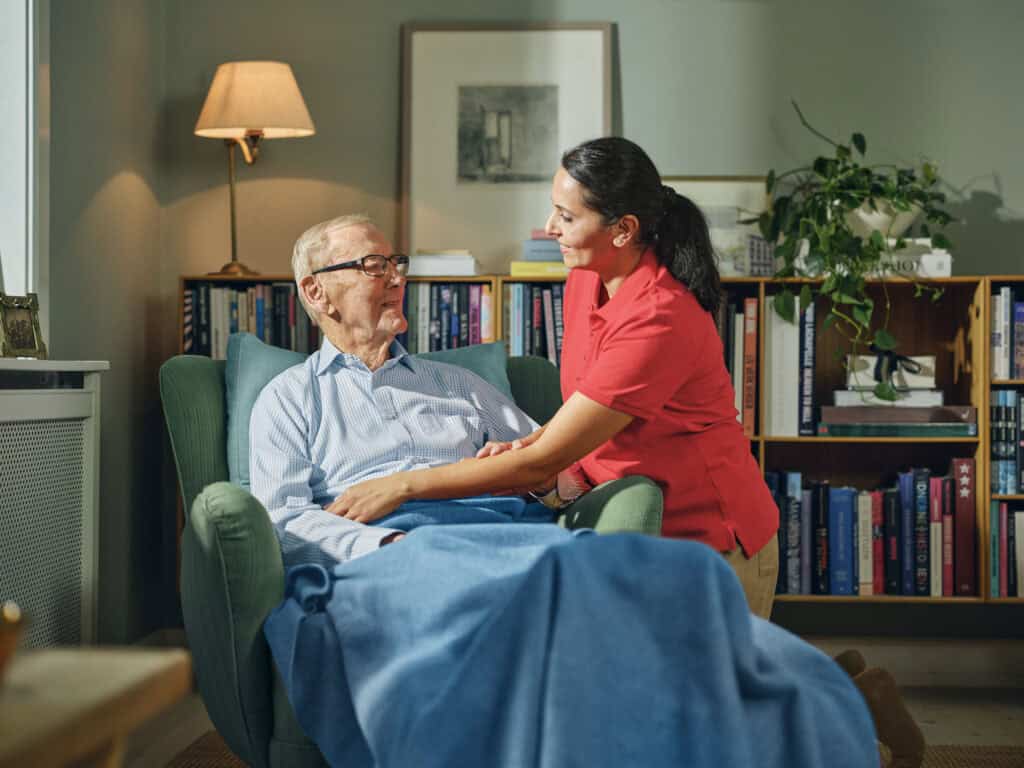
There are approximately 70,000 people living with dementia in Ireland and an estimated 60-65% of those live in their own communities. This makes our communities enormously important in helping people with dementia continue to live well and remain connected to the people and places that matter most to them.
Familiar surroundings, routines, people, and places can provide an important sense of continuity and reassurance to someone living with dementia.
Remaining connected to the community in which a person has lived, worked, raised a family and developed friendships can help maintain their sense of identity and belonging, particularly as dementia progresses. Supporting a person living with dementia to remain within their community can therefore have significant benefits for their wellbeing, independence, and quality of life.
The importance of everyday life
Community-based support can also help a person living with dementia to retain independence and abilities for as long as possible. Continuing everyday activities – such as going for a walk, visiting a local café or shop, attending a community group, gardening, meeting friends or participating in hobbies – provides opportunities for physical activity, social interaction and meaningful engagement. Rather than focusing primarily on what a person may no longer be able to do, good community support builds on their strengths, preferences and remaining abilities and enables them to continue making choices about what they want to do during their daily life.
It is important to remember that living well in the community is about more than simply remaining at home. It is about continuing to participate in everyday life. A diagnosis of dementia does not change a person’s need for friendship, conversation, enjoyment, purpose, and connection. Nor does it take away the contribution that they can make to their family and community. Small things can make a significant difference – a friendly conversation, taking a little extra time in a shop or café, offering assistance when it is needed, or continuing to include someone in social and community activities. Sometimes just a little bit of support will allow someone to keep doing the things that they love to do.
A valuable social network
Maintaining social connections is particularly important. Dementia can increase the risk of loneliness and social isolation, both for the person living with dementia and for their family carer. Sometimes friends or acquaintances may withdraw because they are unsure what to say or how to respond following a diagnosis. However, maintaining those relationships can be hugely valuable. We do not need to be dementia experts to make a difference; patience, understanding and a willingness to stay connected can go a long way.
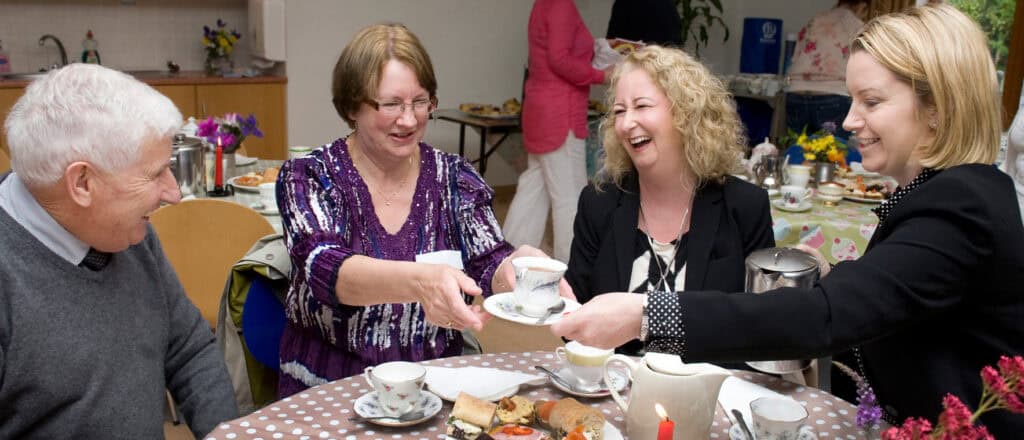
Dementia-inclusive communities, social groups, dementia cafes and other local activities can provide opportunities for connection, friendship and mutual support. They can also help increase understanding of dementia within the wider community and reduce stigma, making it easier for people living with dementia to continue participating in community life.
Supporting the carers
Support for family carers is equally important. Caring for someone living with dementia can be rewarding, but it can also bring significant changes to everyday life. Accessible local services, supportive neighbours, community organisations and opportunities to meet others in similar circumstances can reduce isolation and help families feel that they are not managing dementia alone. Building dementia-inclusive communities creates a shared approach in which supporting people living with dementia – and those who care for them – becomes part of the wider community rather than the responsibility of families or formal services alone.
The Irish Dementia Cafe Network
One example of this type of community support is the Irish Dementia Cafe Network; a network of dementia cafes located across Ireland. A dementia cafe is a welcoming, once-monthly meeting for anyone who is affected by dementia. People living with dementia, their families and friends, healthcare professionals, and people interested in supporting a dementia-inclusive community are all welcome to attend. Dementia cafes are run by local voluntary steering committees and are always free of charge.
Dementia cafes are a particularly valuable resource because people living with dementia can attend together with family members or friends. They can come together to an understanding environment, meet other people, share experiences and information, and simply enjoy being part of a social gathering.
A dementia diagnosis can be isolating, but nobody affected by dementia should feel that they have to face it alone. Creating communities in which people understand dementia, remain connected, and continue to include people living with dementia benefits us all. At its heart, a dementia-inclusive community is one that sees the person before the diagnosis and recognises that everyone should have the opportunity to remain connected, valued and involved.
The Irish Dementia Cafe Network has cafes across Ireland. To find your nearest dementia café, visit dementiacafe.ie.