



Blog
27 November 2025
Never too late to start – Age and Activity
Being active and keeping our bodies moving is essential and becomes even more important as we age. The good news is, that it’s never too late to start.
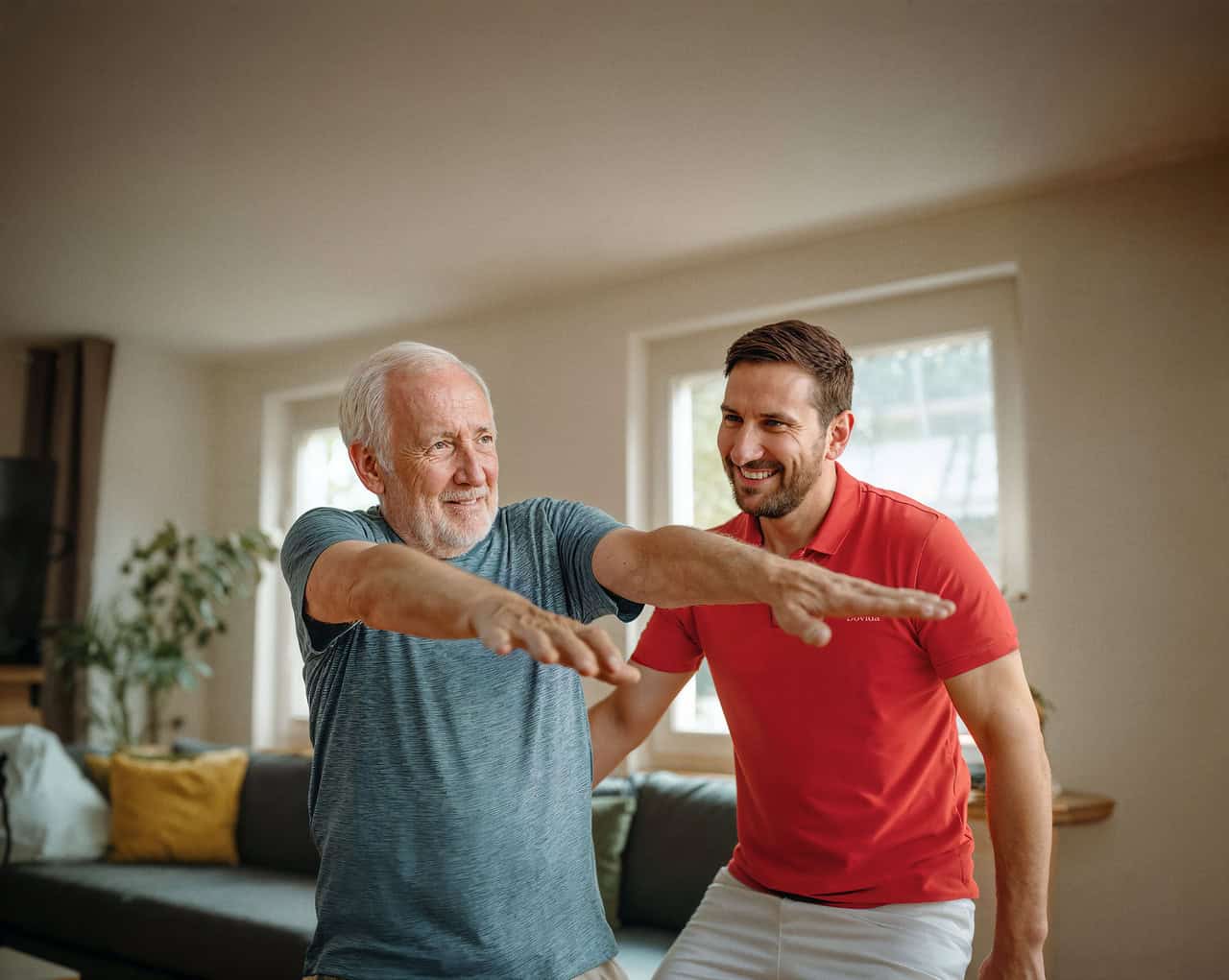
One potential problem for older adults is inactivity. Lack of exercise can lead to weak legs and this factor can increase the older adult’s potential chances of falling. Exercise programmes can help to increase strength and improve balance, making falls less likely. The HSE States that older people should be as active as they can be every day, focusing on aerobic activity, muscle-strengthening and balance.
Getting active can help
- Keep your body strong
- Improve your balance and coordination
- Reduce your risk of falling as you get older
- Boost your mood and energy
- Improve your memory and brain health
It is important to pace any return to outdoor exercise. This is because if you have been inactive for a while, you may find some activities more challenging to do than before.

Some examples of activity for older people
Exploring can be done anywhere. It can be taking a trip somewhere new, or exploring a local café you haven’t been to before. You could even arrange to eat lunch outdoors and have a picnic.
What’s the summary?
An active lifestyle can keep us feeling good, prevent illness, ensure we can live independently at home and allow us to maintain strong links with the community. Keeping the brain active through crosswords, puzzles or social card games, such as bridge, can help to reduce the risk of dementia. Whether we choose to keep active through travel, education, volunteering or simply having a game of cards with a neighbour, the social and mental benefits are undeniable.