

Blog
13 May 2026
Connection through what matters
Why I’m speaking at the International Dementia Conference
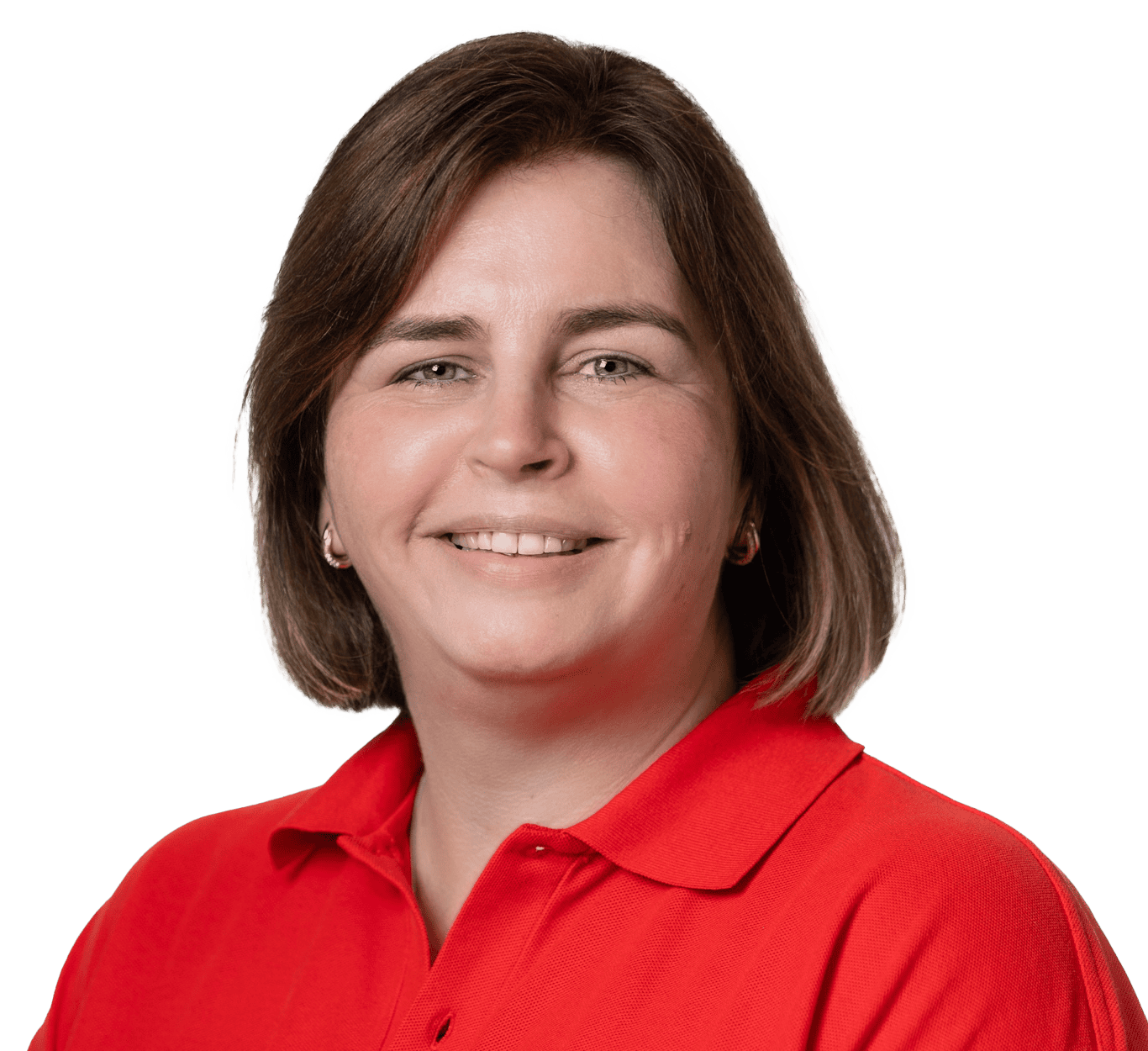
by Dr Kathy McLoughlin
Director of Disability Services, Dovida Ireland
I am delighted that Dovida is sponsoring the International Dementia Conference again this year, hosted by Engaging Dementia, and that I will be speaking as part of a programme dedicated to connection, dignity and better dementia support.
This year’s conference theme, ‘Let’s Keep Connecting: Personally, Professionally and Purposefully’, feels very close to my own experience.
Across my career, whether in nursing homes, mental health services, academic research or home support, dementia care has always come back to one essential truth: people need to be known, not just cared for. That is why my talk focuses on the power of One Page Profiles, developed through Helen Sanderson’s person-centred thinking work.
One Page Profile – a simple but deeply practical tool
A One Page Profile is a simple but deeply practical tool. It captures what people like and admire about a person, what matters most to them, and how best to support them. By the end of the session, everyone in the room will have started their own One Page Profile — not as a paperwork exercise, but as a personal reminder of how powerful it is to be seen through the eyes of people who know and value us.
My connection with dementia care
My connection with dementia care began when I was 18, working part-time in a nursing home while studying psychology. The first man I supported who was living with dementia was born on the same day as me but many years earlier. Horace had served in World War II, had received the Burma Star, and carried himself with great pride.
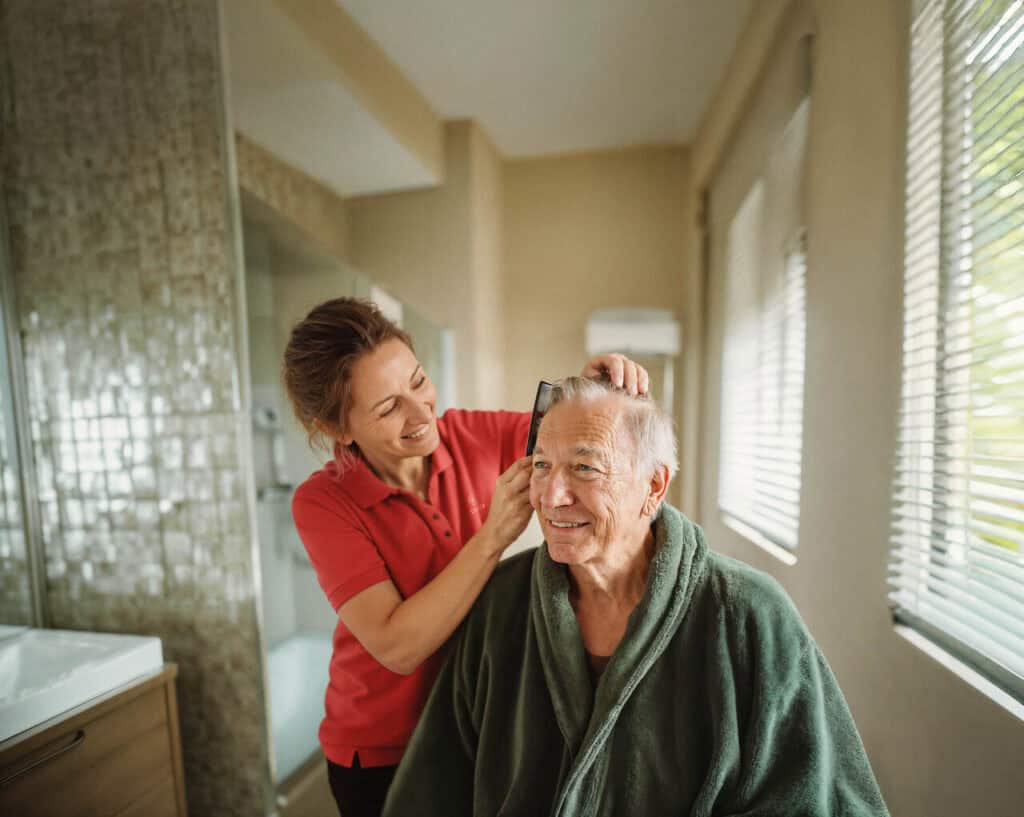
He wore a spotless white vest and shirt, braces and polished shoes. He brushed his hair carefully with two horsehair brushes stored securely in a box. He reminded me a little of Albert from Only Fools and Horses, a Cockney from the East End of London who always called me “darlin”, and worried about losing his medals or how much the electricity bill might cost, as we were always leaving the lights on.
His wife had died, although he could not always remember that. He could not always remember that I was his carer either. But he knew what mattered to him: his appearance, his medals, his routines, his sense of order, his identity and his dignity. I did not yet have the language of person centred practice, but I knew he was not simply “a resident with dementia”.
He was a husband, a father, a veteran, a proud and particular man with a life story that still shaped how he experienced the world, albeit within a 30-bedded “elderly mentally infirm unit”.
Another early experience stayed with me just as strongly. I was sent by an agency to another nursing home to support a man who was usually described as needing two staff because he could become aggressive. On that morning, everyone was busy, and because he was mobile, I simply began by offering ordinary choices: what he wanted to wear, which side of the bed he wanted to get out of, whether he preferred a shower and shave or a wash at the sink. Everything went smoothly, and I brought him down for breakfast. The reaction from staff was surprise: “How did you do that? He’s usually so aggressive.” It was one of the first moments that made me think seriously about why some residents “clicked” with some staff and not others.
Looking back, I can see that the difference was not magic or luck. It was about respect, control, communication and understanding the person in front of me. Behaviour often makes sense when we understand what matters to a person and how they need to be supported.
“When staff see the person first, they are more likely to have positive attitudes, build trust and reduce distress.”
Those early experiences shaped my psychology dissertation, where I explored personhood, Tom Kitwood’s work and people’s constructs of dementia. The pattern I saw then is something I still believe now: when staff see the person first, they are more likely to have positive attitudes, build trust and reduce distress. I later worked in a mental health unit supporting people with early onset dementia, including Clive Beaumont, whose legacy continues through the Clive Project. We had very little dementia-specific training at the time, but the work taught me the same lesson again: start with the person. Their story, routines, fears, humour, relationships and passions are not background information. They are central to good support.
There is also a lovely personal connection for me at this year’s conference. Stephen Kennedy is also presenting. Stephen was diagnosed with dementia in his 50s, which meant giving up his career as a long-distance lorry driver. With the support of his wife, Carmel, he has built a positive outlook and now uses his experience to campaign and advocate for people with young-onset dementia. Stephen showed dogs, and I often found myself in the same ring as him, showing my terriers too. Anyone who has been part of that world knows it is not just a hobby. It is identity, discipline, pride, friendships, routine and belonging. That shared detail is exactly the kind of thing a One Page Profile helps us hold onto.
After moving to Ireland, dementia came back into my professional life through academic and practice development work. I was involved with colleagues in UCC and the Irish Hospice Foundation in developing dementia palliative care guidance, and later worked with Professor Tony Foley on dementia, fitness to drive and GP audit work. I also spent time in the nursing home sector, where I continued to see how much carers were expected to manage, often with limited structured dementia training. That is one of the reasons I was so pleased to find, when I joined Dovida two years ago, that Dovida staff have access to City & Guilds dementia training, and that this year we are training trainers to deliver this locally and scale it across our services.
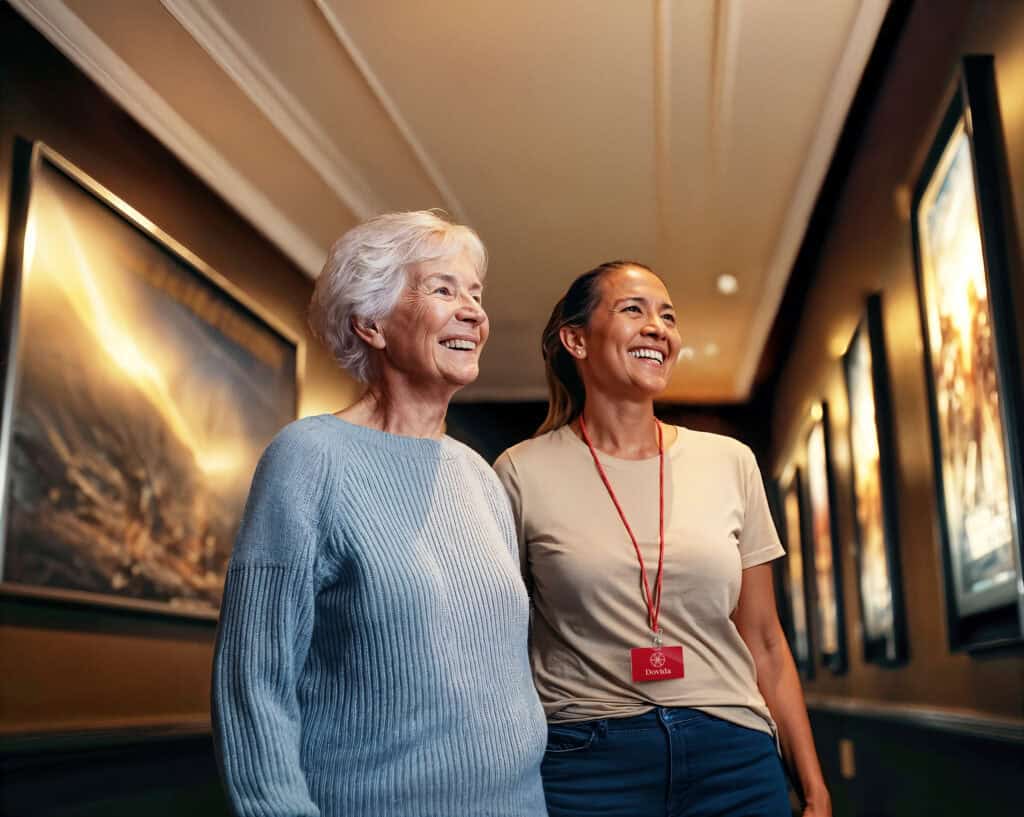
“As Ireland’s largest provider of home support, Dovida has an important role to play to ensure that dementia support is practical, skilled and genuinely person-centred.”
Home support should never be reduced to tasks alone
As Ireland’s largest provider of home support, Dovida has an important role to play to ensure that dementia support is practical, skilled and genuinely person-centred.
We are also learning through innovation in practice. In Fairview and Swords, Dovida is involved in a pilot project where the HSE is funding additional home support for people living with dementia to take part in specific, meaningful activities at home. Early learning is showing positive impact for family caregivers and improved quality of life for people living with dementia. This matters because home support should never be reduced to tasks alone. It should help people stay connected to identity, purpose, relationships and ordinary daily life.
This year, we are commencing the rollout of One Page Profiles across Dovida’s Live-in Care service, as part of that wider commitment. A good One Page Profile helps us move beyond diagnosis, risk and routine. It reminds us to ask better questions: What do people appreciate about this person? What matters to them now? What do we need to know to support them well?
The heart of why this work matters
For me, the International Dementia Conference is an opportunity to return to the heart of why this work matters. Dementia can change memory, communication and independence, but it does not remove personhood. Every person still has a story. Every person still has preferences, fears, humour, habits, relationships and strengths. Every person deserves support that begins with who they are. I am proud that Dovida is sponsoring this important conference and proud to contribute to a conversation that is so closely aligned with our values.
I hope people leave my session with something practical, personal and memorable: the beginning of their own One Page Profile, and a renewed commitment to seeing the person first.
Because when we know what matters, we support people better to live life their way.