



Blog
3 November 2025
Steps to Take After a Parkinson’s Diagnosis
Parkinson’s is a progressive disease of the nervous system marked by tremor, muscular rigidity, and slow, imprecise movement, chiefly affecting middle-aged and elderly people.

If you or a loved one has been diagnosed with Parkinson’s disease, there are a number of things that can be done to help plan for the future.
Research Parkinson’s Disease
Parkinson’s Disease affects everybody differently, but learning about the disease can help you manage and understand it. It is important to familiarise yourself with symptoms, treatment options and changes to lifestyle that may occur.
Find support
It’s important to remember that you’re not alone, approximately 18,000 people in Ireland are living with Parkinson’s. Friends and family can provide support as can support groups. Parkinson’s Ireland have a number of activities and classes you can get involved in.
Look after yourself
Living with Parkinson’s Disease can be exhausting, so try to maintain physical and mental wellbeing through eating well, having a regular sleep routine and exercising.
Exercise is especially beneficial for people with Parkinson’s disease and it can improve balance, flexibility, and strength and can have a positive impact on mood. However, it’s important to talk to your doctor to find out what types of exercise are safe for you.
Medication management
Medications can play an important role in managing Parkinson’s disease symptoms, but it can be difficult to keep track of multiple medications and dosages. Work with your doctor to develop a medication management plan. Keep an up-to-date list of all your medications (including dosages and schedules) and bring it with you to all your doctor’s appointments.
Keep up with hobbies and interests
Parkinson’s disease can sometimes make it difficult to participate in activities that you used to enjoy, but it’s important to stay engaged and continue to pursue your hobbies and passions.
Find activities you enjoy that you can continue to do with your symptoms, whether it’s painting, gardening, or playing a musical instrument.
Reach out and be proactive
Don’t be afraid to reach out whenever you need help. Parkinson’s disease is a complex condition, and it is important to work closely with your GP and other healthcare specialists to develop a personalised treatment plan. This includes speaking to your medical team if you notice a change in any of your symptoms or if you notice that your medication is not working as well as it used to, asking for further information around anything you do not understand or seeking out second opinions if necessary.
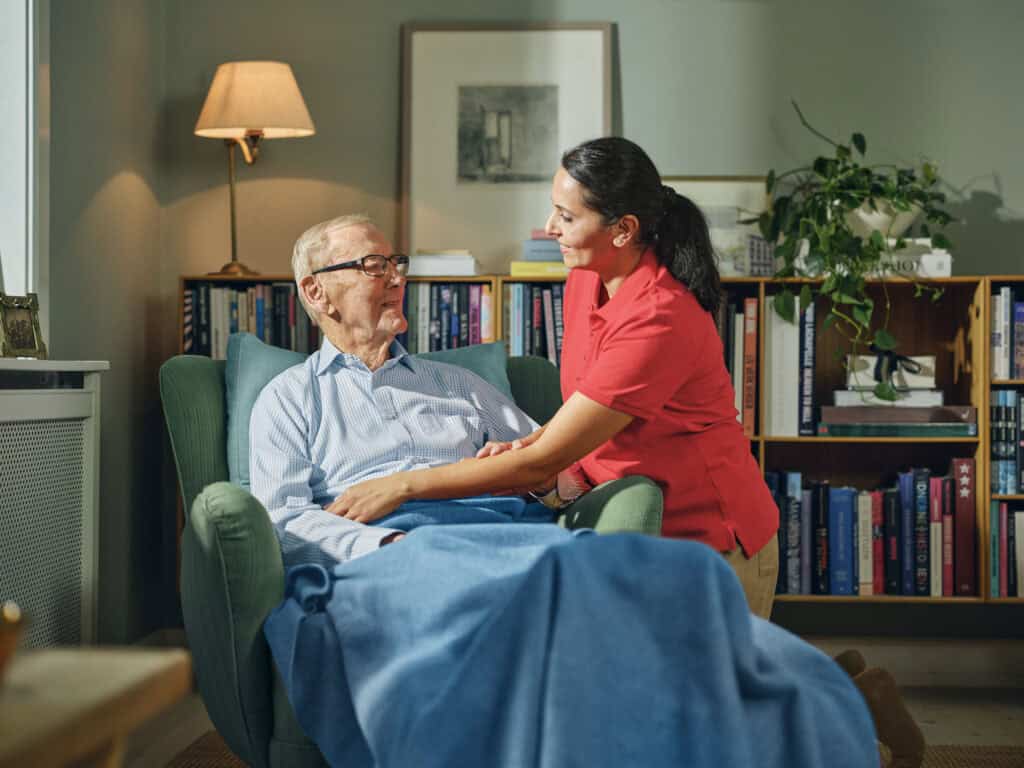
Also consider whether you need support with particular tasks such as housework or personal care. In-home care can help with this and can provide transport services to help you maintain social activities and take you to appointments or shops if you are no longer confident or able to drive. You might not need support with this immediately but consider what type of services you may need to help you in the future as your symptoms progress over time.
Manage Stress
Parkinson’s disease can be stressful, but mindfulness practices like meditation and deep breathing can help reduce stress, anxiety and depression. It can be beneficial incorporating mindfulness exercises into your daily routine, whether it’s taking a few deep breaths before getting out of bed in the morning or setting aside a few minutes each day to meditate. Mindfulness can help you manage your emotions and improve your overall well-being.
A Parkinson’s diagnosis can be a difficult and emotional experience, but it is vital to remember that there is an abundance of resources and plenty of support available for you or your loved one. Utilising your support network as well as the tools and resources available to you can help to drastically reduce the anxiety you may be feeling. Educating yourself about the disease, maintaining physical and mental wellbeing and seeking the relevant support can help you to manage your diagnosis.